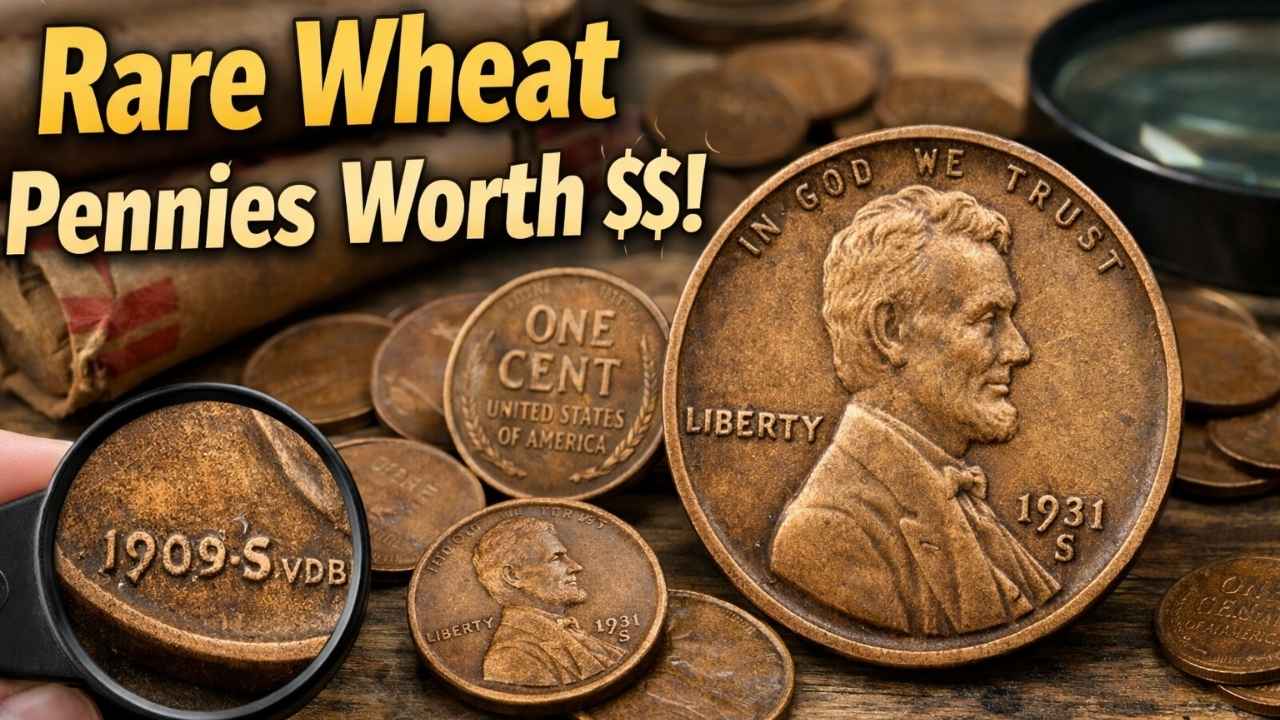
Rare Wheat Pennies Worth Big Money: Wheat pennies, officially known as the Lincoln Wheat Cent, are a staple in the world of coin collecting. First minted in 1909, these coins feature an iconic design that remains deeply cherished by numismatists and casual collectors alike. Over the years, some of these coins have become extremely rare and are now worth significant amounts of money. As we move toward 2026, the value of certain rare wheat pennies is expected to rise, driven by their historical significance, scarcity, and unique characteristics.
Whether you’re just beginning your collection or are an experienced numismatist, it’s important to understand the factors that influence the value of these coins and which ones are most likely to bring you a nice return. In this article, we will explore the world of rare wheat pennies, the trends shaping their market in 2026, and provide a detailed value chart to help you identify which wheat pennies are worth big money.
The History of the Wheat Penny
The Lincoln Wheat Cent was first issued in 1909 to commemorate the 100th anniversary of Abraham Lincoln’s birth. The obverse of the coin features a portrait of Lincoln, designed by Victor David Brenner, while the reverse displays two ears of wheat, symbolizing the agricultural strength of the United States. The design remained in circulation until 1958, when it was replaced by the Lincoln Memorial Cent.
Throughout its nearly 50-year run, the Wheat Cent went through various mintings and changes, including different compositions and subtle variations in design. Initially struck in 95% copper, these pennies are highly sought after today, particularly those minted during years of low mintage or with errors in the production process.
The Wheat Cent is remembered not only for its historical connection to Abraham Lincoln but also for the role it played in U.S. coinage during a time of great social and economic change. This makes certain rare wheat pennies incredibly valuable to collectors, particularly those who have a deep interest in American history.
Factors Affecting the Value of Wheat Pennies
Several key factors influence the value of wheat pennies, and understanding these will help you identify which ones are worth holding onto. Here are the main factors that determine the value of wheat pennies:
- Mintage Year: The mintage year is crucial in determining the rarity of a wheat penny. Coins minted in years with low production numbers are often more valuable due to their scarcity. For example, the 1909-S VDB penny, minted in San Francisco, is one of the most famous and valuable wheat pennies because of its low mintage.
- Mint Marks: The mint mark indicates where the coin was produced, and certain mint marks can make a coin more valuable. Wheat pennies were produced in several locations, including Philadelphia (no mint mark), Denver (D), and San Francisco (S). Some mint marks, especially those from San Francisco, can significantly increase the value of a coin.
- Condition and Grading: The condition of a coin is one of the most important factors in determining its value. The higher the grade, the more valuable the coin. Coins are graded on a scale from 1 (poor) to 70 (perfect). A wheat penny in uncirculated or mint condition will be worth far more than one in poor condition.
- Errors and Varieties: Coins with minting errors or unique features can be significantly more valuable. Some wheat pennies have unusual characteristics, such as double strikes, misaligned dies, or repunched mint marks. These errors can increase the value of the coin considerably.
- Composition: The composition of a wheat penny has a significant effect on its value. Most wheat pennies are made from 95% copper, but over time, the value of copper has increased. Some collectors specifically seek out coins for their copper content, which can add to their overall worth.
The Most Valuable Wheat Pennies
Certain wheat pennies have become legendary in the numismatic community due to their rarity, mint errors, and historical importance. These coins can be worth a small fortune in 2026, and collectors continue to pursue them for their scarcity and unique characteristics. Let’s take a look at the most valuable wheat pennies you should keep an eye out for.
1. 1909-S VDB Wheat Penny
The 1909-S VDB wheat penny is one of the most famous and valuable coins in U.S. numismatics. Minted in San Francisco, this coin was issued with the designer’s initials, “VDB” (Victor David Brenner), prominently featured on the reverse. Due to public outcry over the large initials, the U.S. Mint removed them from later editions, making the 1909-S VDB penny particularly rare. In 2026, this penny will continue to be highly sought after, with prices potentially exceeding $1,000 or more for coins in excellent condition.
2. 1914-D Wheat Penny
The 1914-D wheat penny is another highly sought-after coin due to its low mintage. This coin was struck at the Denver Mint, and only a small number were produced, making it one of the rarest wheat pennies in the series. Coins in excellent condition (graded MS65 or higher) can command thousands of dollars in 2026, with particularly well-preserved examples fetching even more.
3. 1922 No D Wheat Penny
The 1922 No D wheat penny is a famous error coin in the wheat penny series. This error occurred when the minting die was worn out, causing the “D” mint mark to be faint or completely missing. As a result, the 1922 No D penny became a sought-after rarity, and in top condition, it can be worth several thousand dollars.
4. 1931-S Wheat Penny
The 1931-S wheat penny is one of the rarer coins in the series due to its low mintage. Struck at the San Francisco Mint, this coin is highly collectible, and well-preserved examples can bring hundreds of dollars in 2026. The value of the 1931-S wheat penny will likely continue to rise as collectors continue to seek out this rare coin.
5. 1955 Double Die Obverse Wheat Penny
The 1955 double die obverse wheat penny is an iconic error coin that has gained widespread popularity among collectors. The coin features noticeable doubling of the date and the word “Liberty” on the obverse. This error makes the 1955 double die obverse penny highly desirable, and coins in higher grades can easily fetch thousands of dollars in 2026.
Wheat Penny Price Trends for 2026
As we look ahead to 2026, the value of rare wheat pennies is expected to rise. The following trends are likely to shape the market for these coins:
- Rising Demand for Rare Coins: As interest in coin collecting grows, demand for rare wheat pennies will continue to increase, particularly for coins with low mintage years, minting errors, or unique features.
- Increased Interest in Copper Content: The value of copper has steadily increased over the years, and wheat pennies are made from 95% copper. This will likely contribute to the growing value of these coins, particularly for higher-grade examples.
- Online Marketplaces and Auctions: The rise of online platforms for buying and selling coins has made it easier for collectors to find rare wheat pennies. This has led to an increase in competition for key pieces, which will continue to drive up prices for rare coins.
- Collector Community Growth: As younger generations become more interested in numismatics, the pool of potential collectors for wheat pennies will expand, further increasing demand for these coins.
Wheat Penny Value Chart for 2026
Here is a comprehensive value chart for wheat pennies, highlighting the estimated prices for key years and types in 2026:
| Year | Mint Mark | Type | Estimated Value in 2026 |
|---|---|---|---|
| 1909 | S | VDB (Low Mintage) | $1,000 – $3,000 |
| 1914 | D | Rare Minting | $1,000 – $2,500 |
| 1922 | None | No D (Error Coin) | $2,500 – $8,000 |
| 1931 | S | Low Mintage | $100 – $500 |
| 1943 | None | Steel Penny (WWII Era) | $1 – $50 (graded) |
| 1955 | None | Double Die Obverse | $500 – $2,000 |
| 1909 | None | VDB (Regular) | $50 – $300 |
| 1936 | None | Low Mintage (Common) | $10 – $50 |
| 1953 | D | High-Grade Examples | $5 – $15 |
| 1941 | None | Common Year | $0.10 – $2 |
Conclusion: Investing in Rare Wheat Pennies
Rare wheat pennies are a fantastic investment for both new and experienced collectors. With some coins expected to fetch thousands of dollars in 2026, it’s clear that the market for wheat pennies continues to grow. Understanding the factors that affect their value—such as mintage, mint marks, errors, and condition—will help you make informed decisions as you expand or start your collection. As time goes on, the scarcity and historical significance of these coins will likely make them even more valuable.
If you’re looking to start collecting or investing in rare wheat pennies, keep an eye on the key dates and mint marks. As we move into 2026, the demand for these historic coins will only increase, making now the perfect time to start acquiring them.