Rare Lincoln Wheat Penny Worth $50,000: Few things excite coin collectors more than the possibility of finding a rare treasure in everyday pocket change. The Lincoln Wheat Penny, minted from 1909 to 1958, is one of the most beloved coins in American history. While most are worth only a cent, certain rare varieties have sold for tens of thousands of dollars. Imagine discovering one of these gems in your coin jar—it could be worth $50,000 or more.
The Origins of the Lincoln Wheat Penny
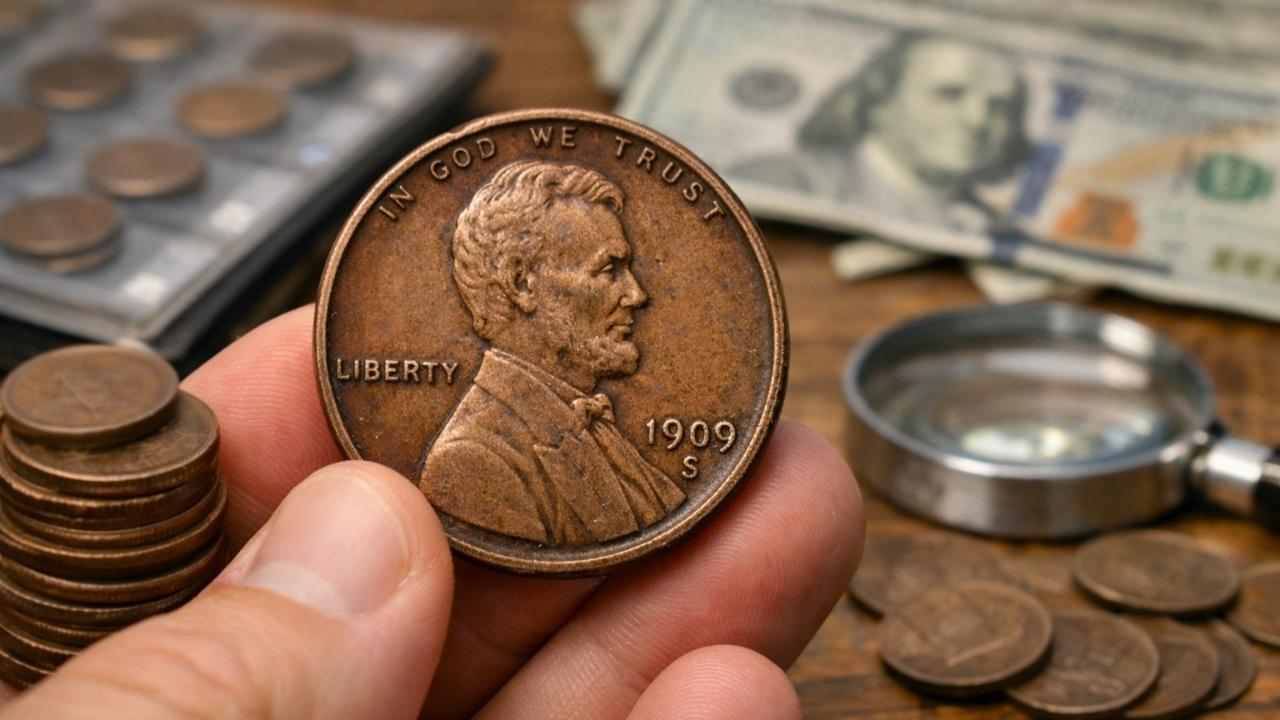
The Lincoln Wheat Penny was first issued in 1909 to celebrate the centennial of Abraham Lincoln’s birth. Designed by Victor David Brenner, the coin was revolutionary because it was the first U.S. coin to feature a real person rather than a symbolic figure. The obverse shows Lincoln’s portrait, while the reverse displays two wheat stalks framing the words “ONE CENT.”
Why Some Wheat Pennies Are Extremely Valuable
Several factors contribute to the extraordinary value of certain Wheat Pennies:
- Minting Errors: Coins struck with mistakes, such as doubled dies or wrong planchets, are rare and highly prized.
- Low Mintage Numbers: Some years and mint marks had very limited production, making them scarce today.
- Historical Context: Wartime coins, such as the steel cents of 1943, carry unique stories that increase their appeal.
- Condition: Coins in pristine, uncirculated condition can be worth exponentially more than worn examples.
Famous Rare Wheat Pennies
Here are some of the most valuable Wheat Pennies ever discovered:
| Year | Mint Mark | Variety | Estimated Value |
|---|---|---|---|
| 1909 | S VDB | Low mintage, initials controversy | $50,000+ |
| 1943 | Bronze | Wrong planchet error | $840,000 |
| 1944 | Steel | Wrong planchet error | $408,000 |
| 1955 | Double Die Obverse | Famous error variety | $50,000+ |
The 1909-S VDB Penny
The 1909-S VDB is one of the most famous Wheat Pennies. Only 484,000 were minted in San Francisco with Brenner’s initials “VDB” on the reverse. Public controversy led to the removal of the initials, making these coins rare and highly collectible. In top condition, they can easily surpass $50,000.
The 1943 Bronze Penny
During World War II, pennies were struck in steel to conserve copper for military use. A few bronze planchets accidentally entered the presses, creating one of the rarest coins in U.S. history. These 1943 bronze pennies have sold for hundreds of thousands of dollars at auction.
The 1955 Double Die Obverse
Perhaps the most famous error coin, the 1955 double die obverse shows dramatic doubling of the date and inscriptions. Collectors prize this coin for its striking appearance, and high-grade examples can reach values of $50,000 or more.
How to Spot a Rare Wheat Penny
If you want to check your pocket change for hidden treasures, here are some tips:
- Look at the Date and Mint Mark: Rare years include 1909-S VDB, 1914-D, 1922 (no D), 1931-S, 1943 bronze, and 1955 double die.
- Examine for Errors: Doubling of letters, unusual coloration, or off-center strikes may indicate a valuable error coin.
- Check the Metal: Most pennies are copper, but wartime issues may be steel or bronze.
- Inspect Condition: Coins with sharp details and minimal wear are worth more.
The Role of Coin Grading
Professional grading services evaluate coins based on condition, authenticity, and rarity. A coin graded “Mint State” can be worth many times more than the same coin in circulated condition. Collectors often send rare finds to grading companies to maximize their value.
Auction Stories
Some of the most exciting moments in numismatics occur at auctions. For example, a 1943 bronze penny once sold for $840,000, while a pristine 1909-S VDB fetched tens of thousands. These stories fuel the dream of finding a rare coin in everyday change.
Tips for Collectors and Enthusiasts
- Check Your Change Regularly: Rare coins still occasionally appear in circulation.
- Use a Magnifying Glass: Many errors are subtle and require close inspection.
- Consult Price Guides: Updated coin value charts help determine current market worth.
- Seek Professional Help: Coin dealers and grading services can provide expert opinions.
The Thrill of the Hunt
Part of the magic of coin collecting is the thrill of discovery. The idea that a penny worth $50,000 could be hiding in a coin jar or pocket change keeps collectors searching. Every coin has a story, and sometimes that story is worth a fortune.
Conclusion
The Lincoln Wheat Penny is more than just a piece of currency—it is a piece of history and a potential treasure. Whether you are a seasoned collector or simply curious about the coins in your pocket, the chance of finding a rare penny worth $50,000 makes every coin hunt exciting. So next time you empty your pockets, take a closer look. You might just uncover a hidden gem.